Part of the program involved technology distribution. I used data collected from interviews like these, as well as with our IT people, to create quick start guides and an unboxing video for participants. During my interviews with IT, I discovered multiple, costly problems with the request and delivery process. We were able to incorporate my suggested revisions to this part of the program as well.
ask good questions
There were a lot of obstacles for students in the client’s online GED program, and one of them was the nature of online education itself, which demands personal investment, but is very difficult to connect. This e-learning was part of a larger initiative that involved changes in procurement processes for available student technology, as well as direct mentoring with the fundamental processes of creating passwords and logging into learning management systems, but we wanted the presentation to be narrative based, so that users could see how the program fits in to their long-term goals.
- Multi-media for Maximum Access
The majority of students enrolled in the program struggled with stable Internet access and viewed the content on a smartphone during commutes on city buses or trains, so we used a lot of narrated video they could listen to and/or watch on-the-go. Video was also useful for our students with low literacy levels, as our research showed us that text-heavy content is a potential barrier to learners who struggle with cognitive overload after a long time away from the classroom.
A.I. Narration, stock footage, and complex vector animations are used in these videos.
I used Storyline to create content for the website, so that we could later take advantage of xAPI data, if the opportunity presented itself, even though at this point there was no plan to connect an LRS. The e-learning content was based on a theme of space exploration, and everything was narrative-based. We wanted students to see themselves in a story of success in a strange, new world.
A.I. Narration, illustrations from Blush Designs, and complex conditional logic are used in this sample.
The issue that hurt our funding most was related to the average daily attendance (ADA) numbers that were dropping. Due to union restrictions on class size, many students were put on wait lists. Teachers could interact with them, but we could not officially enroll them, and we had no record of any activity to report as ADA. Even worse, many students, lacking regular engagement, would simply drop out of the program all together.
To address this issue, I proposed hosting our content on an independent website and attaching our content to a Learning Record Store, so that we could capture data to support attendance reporting. The LRS tracking was not approved, but I was able to create the website for our new curriculum to allow students to engage with teachers while they waited for spaces in their core classes to open up. By the end of the first term, we could show an approximately 50% increase in retention between the wait list and the classroom.
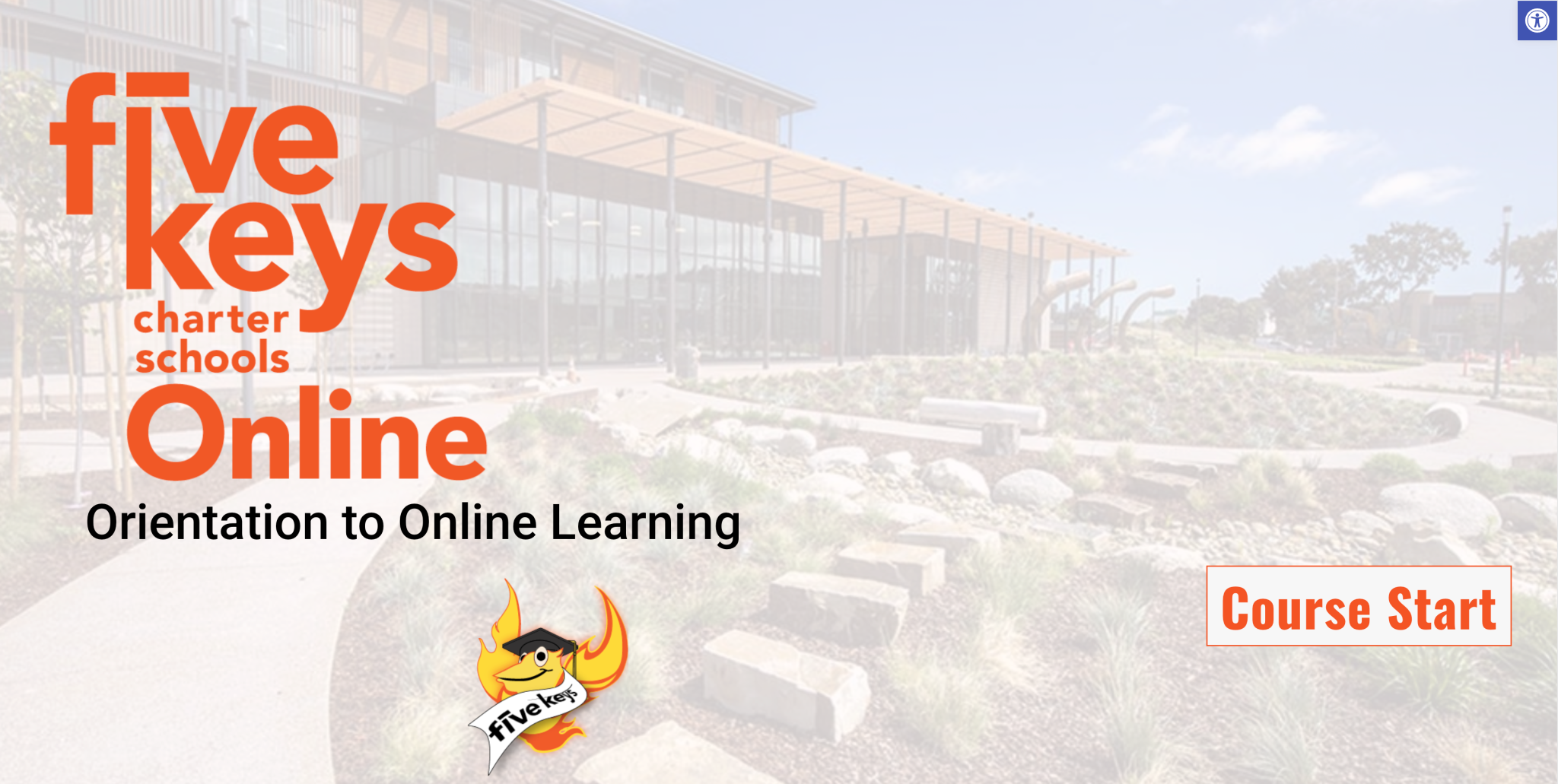
I created our website using WordPress and a Google Cloud storage account to host Articulate Storyline courses as HTML.
Knowing that some students would have limited access to the Internet, we created a printable summary of the orientation course in the style of an indie magazine/graphic novel. This sample uses Adobe Illustrator and InDesign for its content and layout.